Rubber Wood vs Sheesham: Cost, Quality And Benefits
On this page 9 sections
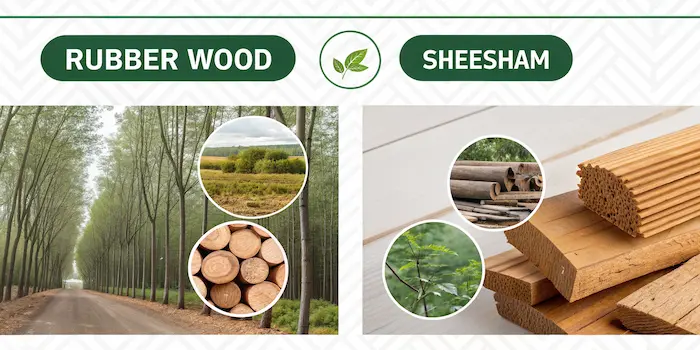
When choosing wood for furniture, Rubber wood vs Sheesham is a common debate. Sheesham is the harder, longer-lasting wood with the richer grain; rubber wood is lighter on the pocket and the more eco-friendly choice. Let’s break down their pros, cons, cost and best uses so you can decide which one suits your needs.
What Is Rubber Wood?
Rubber Wood comes from the Hevea Brasiliensis tree, commonly known as the rubber tree. It is primarily grown for latex production, and once the tree stops producing latex (after about 25-30 years), it is harvested for wood. This makes Rubber Wood an eco-friendly option, as it utilizes trees that would otherwise be discarded.
It is a medium-density wood with a pale colour and a smooth texture, so it is easy to work with without being very hard.
Pros Of Rubber Wood
- Eco-Friendly
- Rubber Wood is a byproduct of the latex industry, making it a sustainable and environmentally responsible choice. Instead of cutting down forests for timber, Rubber Wood repurposes old rubber trees, reducing deforestation.
- Affordable
- Compared to other hardwoods, Rubber Wood is budget-friendly, offering a great balance between quality and cost. It provides a solid wood alternative without the high price tag of premium hardwoods like Sheesham or Teak.
- Workability
- Rubber Wood is easy to cut, carve, and polish, making it an excellent material for furniture and decorative wooden items. Woodworkers and craftsmen find it convenient to shape and finish.
Cons Of Rubber Wood
- Not as Durable
- Rubber Wood is softer than hardwoods like Sheesham, making it more prone to dents and scratches. While it is durable enough for everyday use, it may not withstand heavy wear and tear as well as harder woods.
- Prone to Fungal and Termite Attacks
- Rubber Wood is naturally susceptible to fungal infections and insect attacks, and untreated wood can be damaged by termites. However, proper chemical treatment and seasoning can prevent decay and increase its lifespan.
- Limited Grain Patterns
- Unlike Sheesham, which has rich and striking wood grains, Rubber Wood has a more uniform and plain appearance. While this can work well for modern and minimalist designs, it may not appeal to those who prefer intricate natural wood textures.
What Is Sheesham Wood?
Sheesham Wood, also known as Indian Rosewood, is a highly durable hardwood native to the Indian subcontinent. It is well-known for its dark brown colour, rich grain patterns, strength, and resistance to termites. Sheesham is widely used in high-quality furniture, flooring, and carvings due to its longevity and aesthetic appeal.
Pros Of Sheesham Wood
- Exceptional Durability
- Sheesham Wood is a hardwood with excellent strength and resistance to wear and tear. It is naturally termite-resistant, making it a great choice for long-lasting furniture and flooring.
- Rich Grain Patterns
- One of the most appealing features of Sheesham Wood is its beautiful, natural grain patterns. These patterns add an elegant and premium look to furniture, making it a favorite choice for handcrafted wooden pieces.
- Long-Lasting Material
- Sheesham furniture can last for decades with proper care. Its resilience to moisture and insects makes it suitable for both indoor and outdoor use, provided it is properly finished and maintained.
- Highly Versatile
- Due to its strength and workability, Sheesham is widely used for making furniture, flooring, carvings, and decorative items. Its ability to be polished and finished in various shades adds to its versatility.
Cons Of Sheesham Wood
- Expensive
- Sheesham is costlier than Rubber Wood due to its superior quality, durability, and aesthetic appeal (see the cost section below).
- Heavy and Difficult to Move
- Being a dense hardwood, Sheesham is significantly heavier than Rubber Wood. While this adds to its durability, it also makes moving furniture made from Sheesham more challenging.
- Can Crack If Poorly Seasoned
- If Sheesham Wood is not adequately dried and seasoned, it can develop cracks over time. Proper seasoning and maintenance are necessary to prevent such issues, especially in areas with extreme temperature fluctuations.
Rubber Wood vs Sheesham: Side-by-Side Comparison
| Feature | Rubber Wood | Sheesham Wood |
|---|---|---|
| Durability | Moderate; more prone to scratches | High; lasts longer |
| Hardness and Weight | Medium density, lighter | Much harder and heavier |
| Resistance | Moderate (needs treatment) | High (naturally termite-resistant) |
| Aesthetic Appeal | Simple grain, light color | Rich grain, dark color |
| Workability | Easy to cut and shape | Harder but excellent for carving |
| Maintenance | Requires chemical treatment against termites and fungus | Regular oiling and polishing to keep its shine |
| Sustainability | Eco-friendly by-product of latex production | Renewable but slow-growing with limited availability; source responsibly |
| Price | Affordable | Expensive |
Rubber Wood vs Sheesham: Which Costs More?
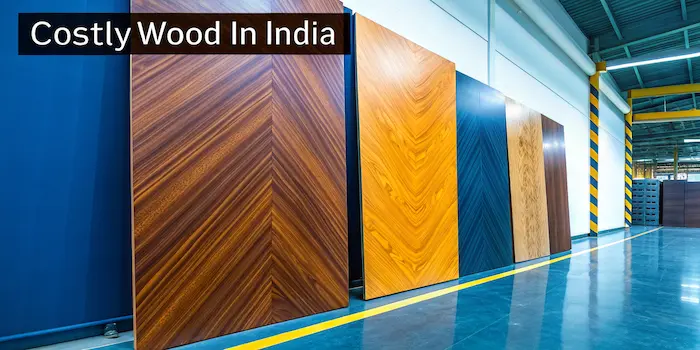
Sheesham wood is more expensive than rubber wood due to its high durability, rich appearance and slower growth rate. Rubber wood is easier to source and more widely available, and the price gap makes it a preferred choice for budget-friendly furniture.
Prices change with the wood’s grade, the complexity of the design and the level of craftsmanship, so ask a supplier for a current quote.
Where To Use Rubber Wood?
Each wood has its own strengths, so the right one depends on what you are making.
1. Budget-Friendly Furniture
Rubber wood is an excellent choice for budget-conscious homeowners and businesses. It is significantly more affordable than Sheesham while still offering a smooth and polished finish. It is commonly used for dining tables, chairs, and office furniture due to its lightweight and versatile nature.
2. Kitchen Cabinets and Shelves
Because of its resistance to moderate humidity and heat, rubber wood is a preferred material for kitchen cabinets, shelves, and countertops. It provides a sturdy structure while keeping costs low, making it ideal for modern modular kitchens.
3. Plywood and Veneer
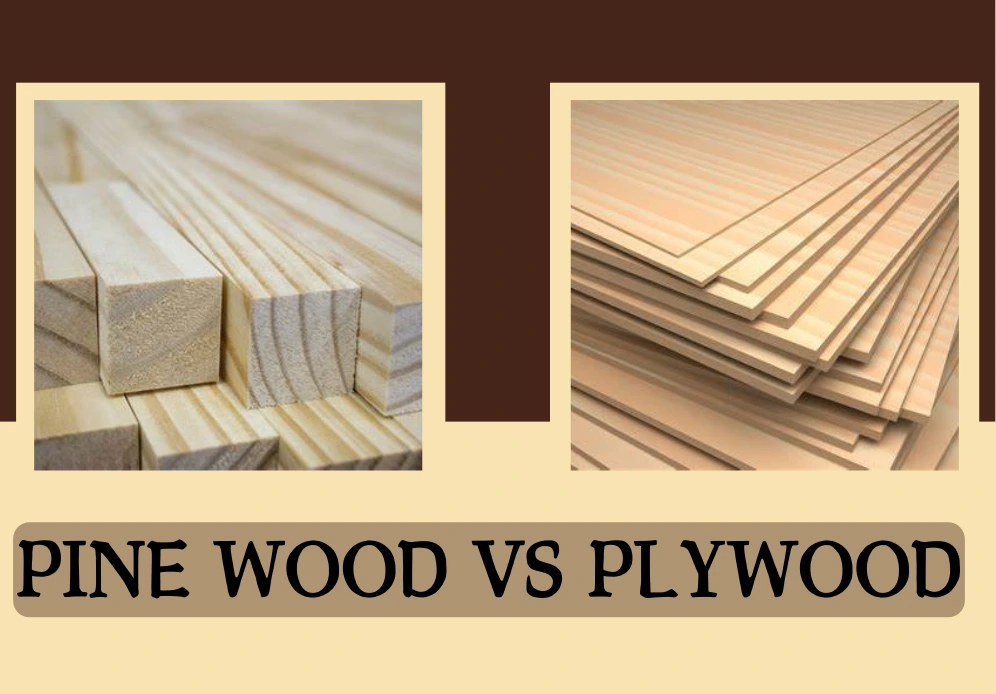
Rubber wood is often processed into plywood, MDF (Medium Density Fiberboard), and veneer, making it a crucial material in the furniture industry. These engineered wood products are widely used in ready-made furniture and paneling, offering a cost-effective and sustainable alternative to solid wood. If you are weighing solid rubber wood against a plywood build, see rubberwood vs plywood.
4. Indoor Décor
Rubber wood is great for indoor decorative elements such as wall panels, wooden partitions, and small décor items like photo frames and organizers. Since it is easy to work with, it can be stained and finished to mimic more expensive hardwoods, adding a touch of elegance to any space.
Where To Use Sheesham Wood?
1. High-End Furniture
Sheesham wood is renowned for its durability and stunning grain patterns, making it the preferred choice for luxury and premium furniture. From solid wood beds to grand dining tables, Sheesham ensures longevity and a sophisticated appeal.
2. Carved and Antique Pieces
The density and hardness of Sheesham wood make it ideal for intricate carvings. Traditional and antique-style furniture, such as cabinets with detailed engravings, ornate headboards, and decorative wooden panels, often use Sheesham for its aesthetic richness.
3. Flooring and Doors
Due to its superior strength and resistance to termites and decay, Sheesham is frequently used for hardwood flooring, main doors, and window frames. It offers a timeless look and can withstand years of wear and tear, making it a great long-term investment.
4. Musical Instruments
Sheesham wood is commonly used in making musical instruments like harmoniums, tablas, and guitars due to its acoustic properties. Its density allows it to produce warm and resonant tones, making it a top choice for traditional and contemporary instrument makers.
Which Wood Should You Choose?
1. If You Need Affordable and Eco-Friendly Wood → Choose Rubber Wood
Rubber wood is a cost-effective and environmentally friendly option, as it is derived from old rubber plantations that would otherwise be discarded. It is perfect for modern households and businesses that need stylish yet budget-friendly wooden products.
2. If You Prefer Durability and Rich Aesthetics → Choose Sheesham Wood
For those looking for long-lasting, premium-quality furniture, Sheesham is the way to go. Its natural beauty, grain patterns, and durability make it a prized choice for homeowners who value aesthetics and craftsmanship.
3. For Long-Term Investment Furniture → Sheesham is Better
If you are investing in furniture that should last for generations, Sheesham wood is the superior choice. It retains its shape, does not warp easily, and remains termite-resistant, making it ideal for heirloom-quality pieces.
4. For Budget-Friendly Home Décor → Rubber Wood Works Well
For affordable yet stylish home décor, rubber wood is the ideal option. It allows for creative and modern designs without compromising too much on strength or appearance.
Conclusion
Both rubber wood and Sheesham wood have their advantages, depending on your requirements. If you are looking for an economical and sustainable material, rubber wood is a great pick. However, if you prioritize durability, aesthetics, and long-term value, Sheesham wood is the superior option. Ultimately, the best choice comes down to your budget, purpose and design preferences. To compare more options, see our guide to the top types of wood for furniture in India.
Frequently Asked Questions
Is Rubber Wood Better Than Sheesham?
Sheesham is stronger and more durable, but rubber wood is budget-friendly and eco-friendly.
Does Rubber Wood Last Long?
Yes, with proper treatment, rubber wood can last for 10-15 years in indoor conditions.
Does Sheesham Wood Need A Lot Of Maintenance?
It does not need chemical treatment against termites, but it should be oiled and polished regularly to keep its shine and protect it from moisture.