Plywood Properties: Advantages & Characteristics
On this page 6 sections
Plywood’s key properties are high strength and dimensional stability, impact and shear resistance, resistance to water and chemicals in the right grades, flexibility, fire resistance when treated, and good sound and thermal insulation. Together they make plywood lighter, more stable and easier to work with than natural wood, which is why it is in high demand for construction and furniture projects.
The construction industry is always looking for building materials that address the common challenges of traditional options, and plywood’s mix of strength, flexibility and durability has made it a highly desirable material. At MRS Woodcraft, we manufacture plywood that brings together these properties of lightness, strength and flexibility for a wide range of applications.
What is Plywood?
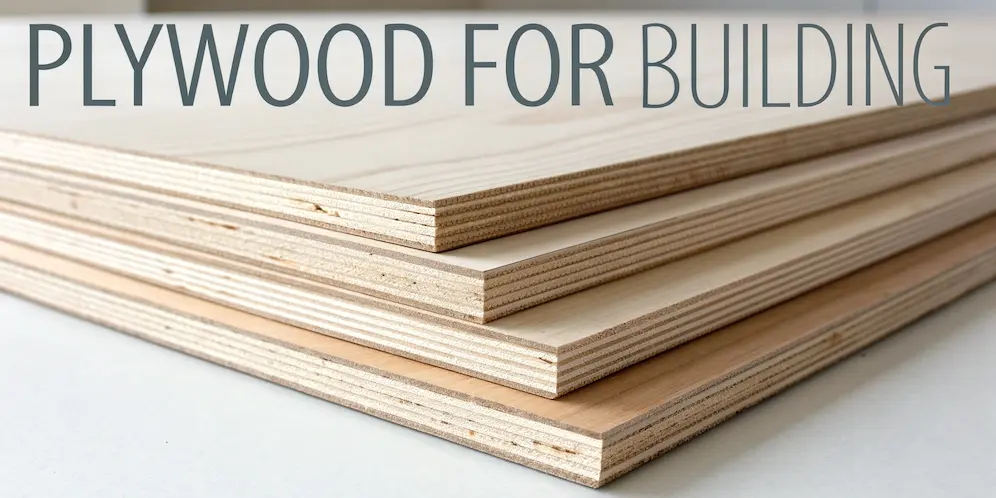
Plywood is a type of engineered wood created by stacking several layers of thin wood veneers. Unlike natural timber, plywood is easily available in all regions and is often more cost-effective. This has led to its increased use in the construction industry over the past few decades, as well as in interior design solutions.
Plywood is now a popular building material worldwide because of its strength, flexibility, and resistance to cracking, shrinking, or warping. Soft, hard, tropical, and decorative plywood are now produced by many companies, each serving different purposes. Plywood is used for everything from furniture to the structural framework of a building, doors and windows, drywall and partition walls, and decorative items.
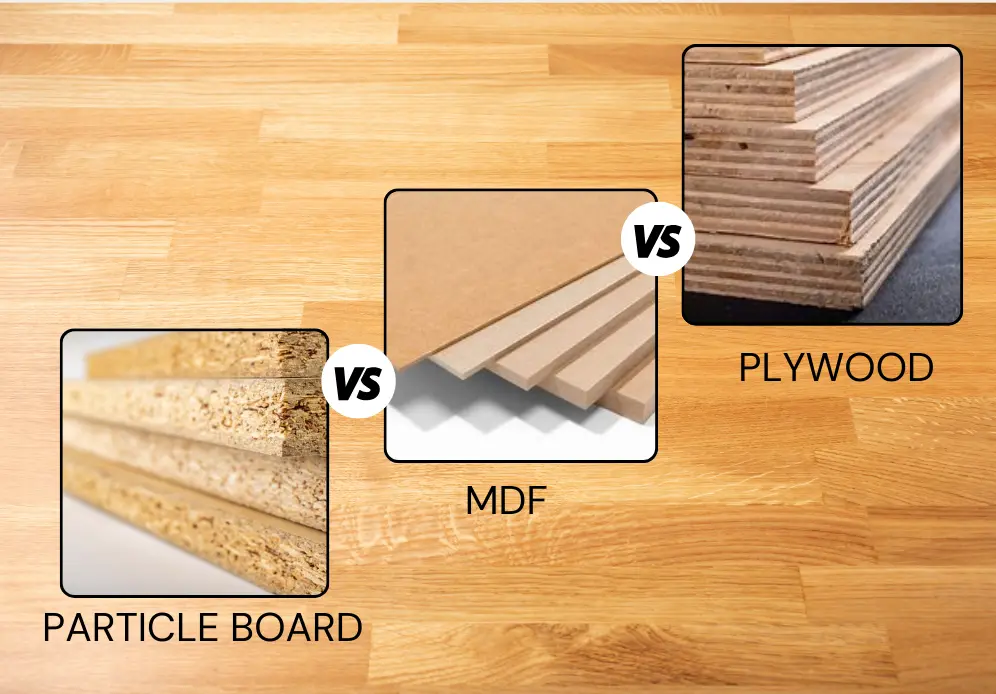
Despite the availability of other composite sheets and panels in the market, plywood remains a preferred choice for experts and woodworkers because of its strength and stability, ease of working, and affordability. It is also lightweight, versatile, and resistant to moisture and insects, which makes it an ideal material for furniture making, cabinetry, and construction, combining functionality with aesthetic appeal.
What Are The Properties of Plywood?
The properties of plywood, such as its strength, flexibility, and resistance to cracking, make it a popular choice for a variety of construction projects. Below are the key features that contribute to its versatility as a building material.
1. High Strength and Dimensional Stability
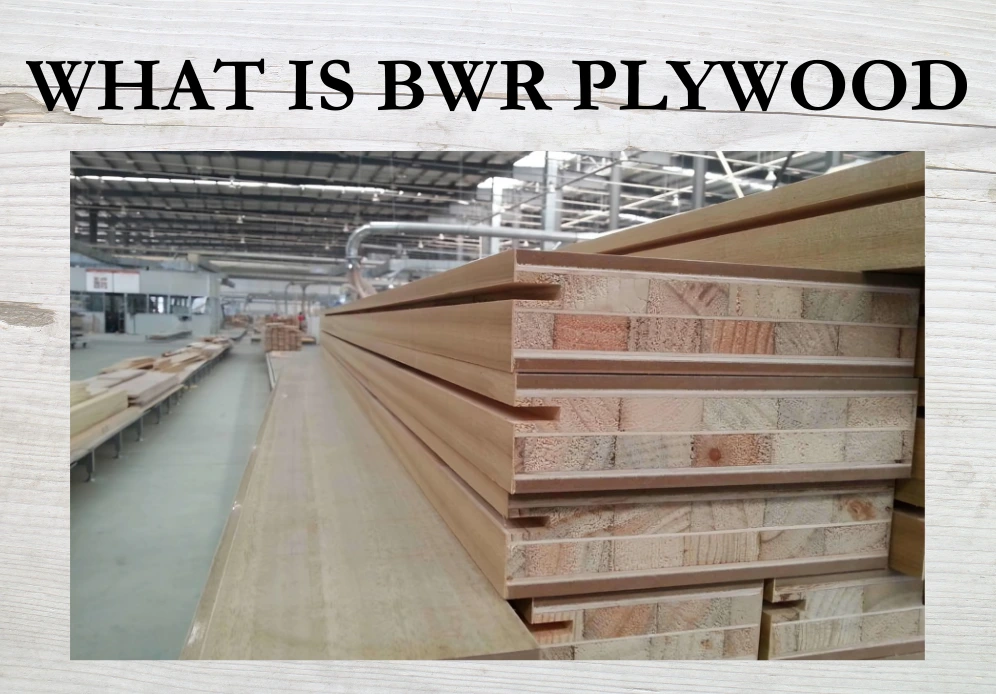
The structural strength of plywood comes from the timber used in its manufacturing process, in addition to the properties it gains from its laminated construction. The cross-graining technique involves gluing thin plies of wood together at a right angle, which enhances the plywood’s resistance to splitting and cracking while providing consistent strength and stability, even when the material is under stress.
Unlike natural wood, high-quality plywood does not change in size due to fluctuations in moisture content or humidity, meaning it does not expand, contract, warp or shrink. This characteristic is the primary advantage of plywood over other materials.
Uses: Plywood is a cost-effective option for structural and load-bearing applications, including flooring, roofing, wall sheathing, walls, partitions, formwork, cupboards, shelves, and more, due to its excellent strength and stability.
2. High Impact Resistance
The cross-lamination of plywood panels gives it a high tensile strength by spreading force over a larger area, which reduces tensile stress. This allows plywood to withstand overloading up to twice its designated load.
Uses: Plywood’s high tensile strength is particularly advantageous for flooring and concrete formwork applications. Its durability makes it well suited to high-traffic areas and to buildings in industries with heavy wear.
3. Panel Shear or Braced Panels Shear
Veneer manufacturing plays a crucial role in enhancing the bondability of wood veneer surfaces through chemical treatment. As a result, plywood panels made from treated veneers exhibit higher shear strength compared to those made from non-treated veneers.
By treating veneers, the shear strength of plywood increases to nearly twice that of solid wood, making it an ideal choice for use in wooden structures as bracing for resisting lateral loads.
Uses: Plywood’s excellent strength and stability make it ideal for use as gussets in portal frames, as well as bracing panels and webs in fabricated wooden beams.
4. Water and Chemical Resistance
During the manufacturing process, a substance is used to treat the veneers, which makes plywood resistant to water and chemicals. To enhance this resistance further, plywood is bonded with waterproof glue and treated with other chemicals, resulting in marine plywood. However, not all types of plywood are water-resistant, and appropriate grades should be used accordingly.
Uses: Plywood’s resistance to water and chemicals makes it a popular choice in chemical industries, as well as for indoor furniture and concrete formwork.
5. Flexibility or Bendability
Plywood stands out from natural wood due to its flexibility or bending ability. Certain types of plywood, such as flexible plywood, can be bent easily without breaking or suffering any damage. Plywood can be produced to match every requirement, unlike wood.
Additionally, the thickness of plywood can vary from a few millimeters to inches. The number of veneers used in plywood production can range from three to several, increasing the thickness of the plywood sheet. More layers of veneer contribute to greater strength in plywood, while fewer veneers or specifically treated veneers make plywood more flexible or bendable.
Uses:
- Plywood’s ability to flex and bend without breaking or cracking makes it a preferred material for furniture with curved surfaces.
- Plywood’s range of thickness also makes it suitable for various applications such as ceilings, curved formwork, and paneling work.
- In addition to structural uses, plywood’s versatility and flexibility make it an ideal choice for manufacturing decorative items and furniture.
6. Fire Resistance
Plywood can be treated with a fire-resistant chemical coating, which can be combined with non-combustible materials like fibrous cement or plasterboard. The coating on the plywood can resist oxidation, hence decreasing the rate at which fire can spread. Learn more about fire-retardant plywood.
Uses: This characteristic makes plywood appropriate for application in structures that require fire resistance.
7. Sound and Thermal Insulation
During the production of plywood, thin plies or veneers are bonded together with resin adhesives. This makes it an effective insulator against both heat and sound, and its insulation properties help reduce heating and cooling expenses.
Uses: Plywood is used for ceilings, flooring, roofing, and wall cladding where heat resistance is required.
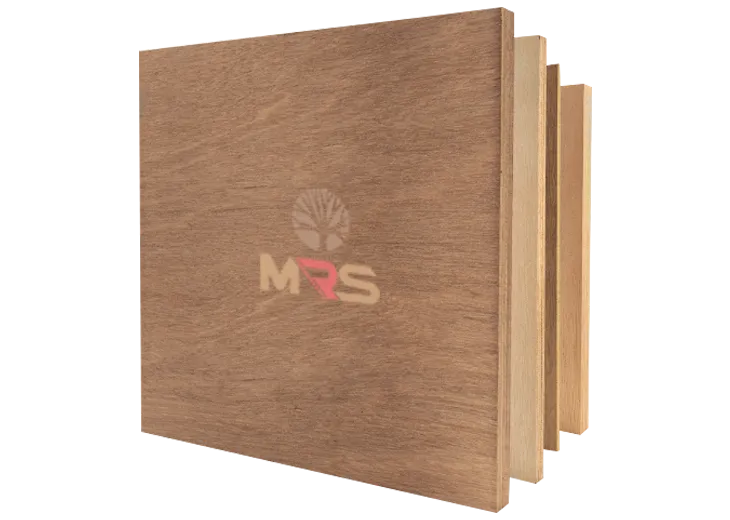
Benefits of Using Plywood Over Natural Wood
Plywood offers several advantages over solid wood, including cost-effectiveness, stability, and resistance to warping. Below are the key benefits that make plywood a preferred option for various construction and furniture projects.
1. Ease of Use
- Joint-free Construction: Plywood is available in various standard shapes and sizes, making it easier to use without the need for creating joints.
- Large Widths: It allows for large-width wooden members like doors or partitions, which is challenging with natural wood.
- Lightweight Yet Strong: Plywood is lighter than solid wood without compromising on strength, so it is easier to transport and handle during construction.
2. Moisture Resistance
- Less Susceptible to Moisture: Plywood is not as susceptible to moisture damage as natural wood.
- Stable in Humidity: It performs well under different temperatures and humidity levels, which makes it reliable for long-term use in various environments.
3. Versatility in Thickness
- No Limitations in Thickness: Unlike natural wood, plywood can be produced in larger thicknesses, providing a joint-less surface with a larger area.
4. Cost-effectiveness
- Economical Sizes: Plywood sheets can be up to 8 feet in length, offering a more cost-effective option compared to natural wood.
- Efficient Production: Its efficient use of wood veneers and the ability to produce it in large quantities help keep costs down.
- Less Skilled Labor: Using plywood requires less skilled labour compared to natural wood.
5. Aesthetic and Finish
- Polish and Paint: Plywood can be effortlessly polished or painted to achieve the desired finish.
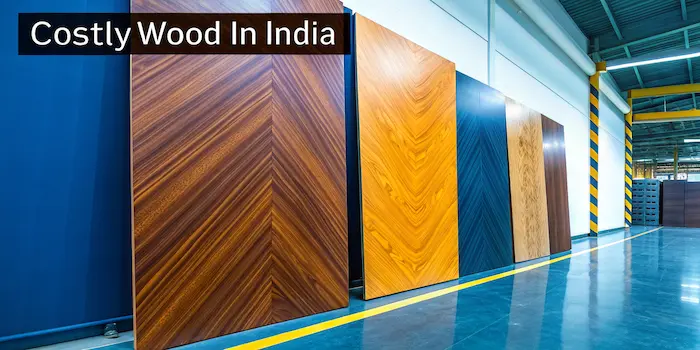
- Finishes and Veneers: It comes in a variety of finishes and decorative veneers, which makes it suitable for visible applications such as paneling, cabinetry, and furniture.
- Versatility in Design: Plywood can be easily cut and shaped into intricate designs, making it suitable for custom furniture and decorative elements.
- Consistency in Appearance: Unlike natural wood, plywood offers a consistent grain and texture, ensuring uniformity in large projects.
6. Durability
- Long Lifespan: Thanks to its construction, plywood offers lasting performance and reduces the need for frequent replacements.
- Quality Considerations: While plywood is durable, its quality may be compromised if it comes into contact with moisture or termites, unlike natural wood, which typically has a longer lifespan.
7. Environmental Sustainability
- Less Waste: Plywood uses wood veneers efficiently, reducing waste.
- Responsible Sourcing: Many manufacturers source their wood from responsibly managed forests.
Advantages Of Different Types Of Plywood
Beyond the general properties above, specific types of plywood bring their own advantages.
1. Plywood Formwork
Plywood formwork, also called shuttering plywood, is widely used in construction:
- Reusable: It is lightweight, easy to handle, and can be reused multiple times, reducing formwork material and labour costs.
- Smooth Surface Finish: It gives concrete a smooth, level and even finish.
- Dimensional Stability: It holds its shape and size, protecting the structural integrity of the concrete structure.
2. Marine Plywood
Marine plywood is designed for water exposure:
- Moisture Resistance: It is highly resistant to moisture and decay, making it ideal for marine environments.
- Weather Durability: It can withstand harsh weather conditions and prolonged exposure to water without delaminating.
- Strength: It provides strong structural support, which is crucial for boat building and docks.
- Longevity: Its long lifespan reduces maintenance and replacement costs over time.
3. Birch Plywood
Birch plywood is favoured in the furniture and cabinetry industry:
- Smooth Surface and Consistent Thickness: Its smooth finish and consistent thickness are perfect for furniture making.
- Aesthetic Appeal: Its fine grain and attractive appearance enhance the look of finished products.
- Strength and Stability: It is strong and stable, providing reliable performance.
- Versatility: It suits applications from high-end cabinetry and furniture to decorative paneling.
Conclusion
The properties of plywood, including its strength, flexibility, resistance to moisture, and cost-effectiveness, make it a versatile material for construction and furniture. Its stability and ability to resist warping, cracking, and shrinking make it a more reliable option than solid wood, particularly in environments with fluctuating temperatures or humidity.
From formwork and flooring to marine and furniture uses, plywood provides a sustainable and practical alternative to traditional materials. To choose the right grade for your project, explore our plywood range.
Frequently Asked Questions
Can Plywood Be Used Outdoors Or In Moist Environments?
Yes, if you choose the right type. Marine plywood is designed for moist environments: it resists moisture, decay and insects, which makes it suitable for outdoor projects such as garden furniture, decking, porches and planters.
What Are The Advantages Of Using Plywood In Furniture Making?
Plywood is valued in furniture making for its smooth surface finish, consistent thickness, dimensional stability and ease of working. It can be shaped, bent and veneered to create attractive and functional furniture pieces.