Plywood vs Solid Wood – Differences In Strength & Cost
On this page 6 sections
When choosing materials for furniture or construction, understanding the difference between plywood vs solid wood is crucial. Solid wood offers natural beauty, strength and a long life, while plywood is more affordable, more stable and easier to work with in large sheets. By exploring their characteristics, you can make an informed decision that suits your project’s needs.
What Is Plywood?
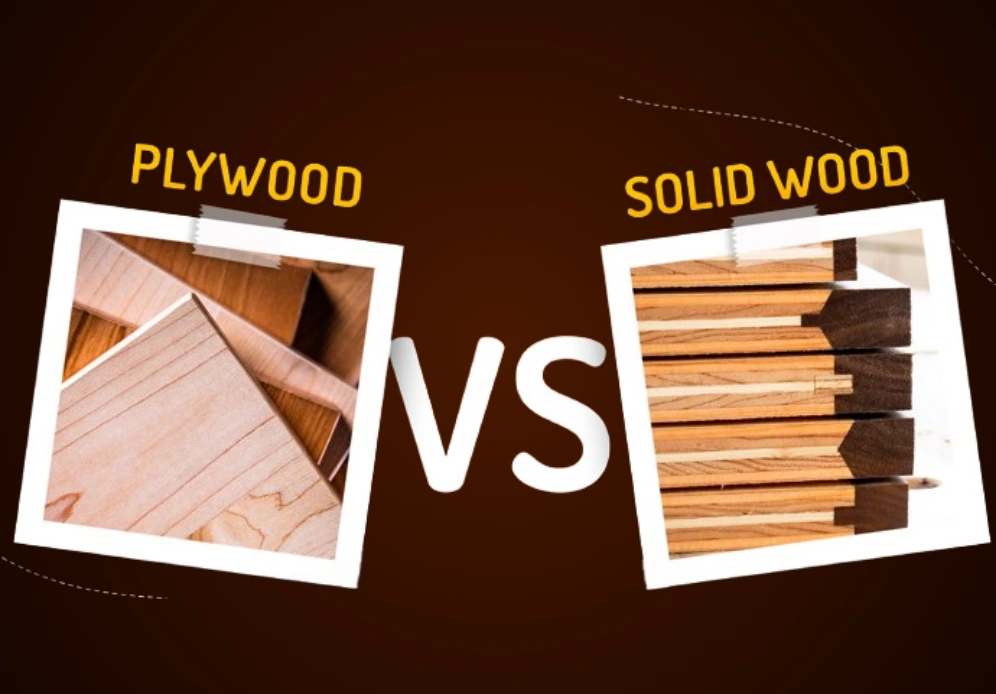
Plywood is an engineered wood product made from thin layers, or veneers, of wood glued together. Each layer’s grain is oriented at right angles to the previous one, giving plywood its strength and stability. Plywood comes in various grades, thicknesses, and types, making it versatile for different applications.
What Is Solid Wood?
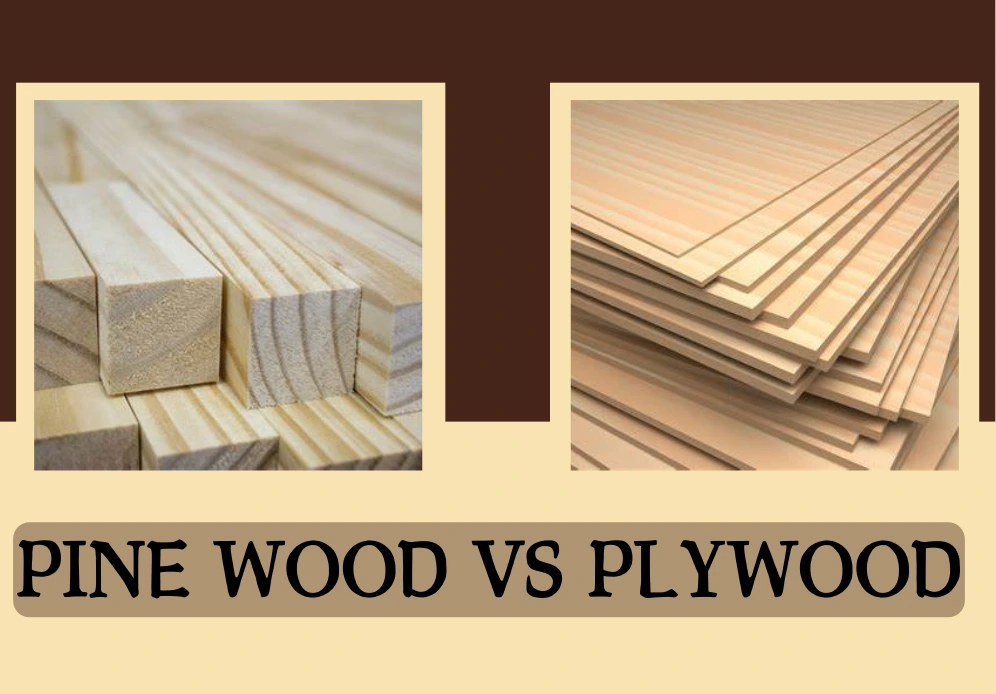
Solid wood is natural wood cut directly from trees and used in its pure form, as single pieces of timber. It doesn’t involve layers or adhesives, making it strong, durable, and aesthetically pleasing. Solid wood is often used for high-quality furniture, flooring, and structural elements due to its natural beauty and longevity.
Plywood vs Solid Wood: Key Differences
Understanding the differences between plywood vs solid wood is essential when choosing the right material for your project. Here are the key points of comparison:
1. Strength and Durability
Solid wood is inherently strong due to its natural, dense fibers. It can last for decades, even centuries, with proper care, and it can be sanded, refinished, or repaired if damaged. This longevity makes it a valuable investment, particularly for high-traffic areas or heirloom furniture.
Plywood, while strong, depends on the quality and number of layers. It may not match the sheer strength of solid wood, and it may not withstand heavy wear and tear as well.
2. Stability and Warping
Plywood’s cross-grain construction makes it less likely to warp, crack, or split, so it stays more stable than solid wood when moisture levels change. Solid wood, though durable, can warp or split when exposed to moisture or extreme temperatures.
Plywood is not immune, however. It can delaminate or warp if it is exposed to moisture or heavy loads.
3. Cost
Plywood is generally more affordable than solid wood, which makes it a budget-friendly option for large projects such as cabinets, shelves, or subfloors. Its cost varies with the type, grade, and thickness of the plywood. Solid wood, being a natural resource, is often more expensive, and its cost depends on the species, especially if it’s a high-quality or rare wood.
4. Appearance
In terms of appearance, solid wood offers a natural, unique grain and rich texture that can enhance the beauty of any piece. Each piece of solid wood is different, giving a warm, one-of-a-kind look that’s difficult to replicate, and it takes stains and finishes beautifully. This makes it a favourite for furniture, flooring, and decorative elements where appearance is a priority.
Plywood, on the other hand, usually has a more uniform appearance. It is available in a range of finishes, but it may lack the depth and variation found in natural wood.
5. Workability and Weight
Workability is a significant factor when considering plywood vs solid wood. Plywood is easier to cut, shape, and install due to its layered structure. It’s less likely to split or crack, making it ideal for large-scale projects. Solid wood, while workable, requires more skill and care. It can splinter, warp, or crack if not handled properly.
Solid wood is also generally heavier than plywood, especially hardwood varieties. This weight can be a benefit in terms of stability and durability but makes the material more challenging to work with and transport. Plywood, being lighter, is easier to handle, especially for large pieces like cabinetry, wall panels, or subfloors.
6. Maintenance
Solid wood requires regular care, such as polishing and refinishing, to maintain its appearance and prevent damage.
Plywood, depending on its finish, may require less maintenance but can be more challenging to repair if damaged. For instance, deep scratches or water damage in plywood may necessitate replacement rather than repair.
7. Environmental Impact
Solid wood, especially when sourced from sustainably managed forests, is a renewable resource with a low environmental footprint. As a natural material, it is also free from the synthetic chemicals and adhesives used in plywood.
Plywood involves more processing and adhesives, which can increase its environmental impact. However, because it is made from thin veneers, it uses less wood than solid timber, and it can be made from smaller trees and fast-growing species, making it a more efficient use of wood resources. Many manufacturers also source plywood from sustainable forests.
Where to Use Plywood and Solid Wood
The choice depends on the specific needs of your project. Here is where each material works best.
Plywood
- Cabinetry: Plywood is ideal for cabinets, including cabinet interiors, because it’s lightweight, easy to work with, and available in large sheets.
- Wall Paneling and Interior Walls: Plywood’s stability and ease of installation make it perfect for wall paneling.
- Subflooring: Due to its strength and stability, plywood is commonly used as a base layer in flooring installations.
- Roofing and Wall Sheathing: Plywood provides a strong, stable surface for roofing and is also used for wall sheathing.
- Modular Furniture: Plywood suits budget-friendly or lightweight furniture and is often used in modular or flat-pack designs.
Solid Wood
- Furniture: Solid wood is preferred for high-quality furniture, such as dining tables and chairs that see daily use, due to its strength, durability, and aesthetic appeal.
- Flooring: Solid wood flooring adds value and beauty to homes, offering a timeless look.
- Structural Elements: Solid wood is often used for framing, beams, and supports, where strength is paramount.
- Doors and Windows: Solid wood is commonly used for doors and window frames due to its durability and resistance to wear.
- Cabinet Fronts: Solid wood gives cabinets a high-end look and can be stained or painted to match your decor.
Conclusion
In the plywood vs solid wood comparison, the choice ultimately depends on your specific needs and project requirements. Solid wood offers unmatched durability, beauty, and longevity, making it ideal for high-quality furniture and structural applications.
Plywood, on the other hand, provides versatility, ease of use, resistance to warping and affordability, making it a great choice for cabinetry, paneling, and other large-scale projects. By understanding the strengths and weaknesses of each material, you can make an informed decision that meets both your aesthetic and functional needs. If plywood suits your project, you can compare grades on our plywood page.
Frequently Asked Questions
Can Plywood Be Used For Outdoor Projects?
Yes, marine-grade plywood is designed for outdoor use. It’s made with waterproof adhesives to resist moisture and weathering; see our marine plywood buying guide. If you prefer solid wood outdoors, hardwoods like teak or cedar are naturally resistant to moisture and suit outdoor furniture and structures.
Can Plywood Look Like Solid Wood?
High-quality plywood can be veneered with real wood or stained to mimic solid wood, and it gives a beautiful, consistent appearance. However, it doesn’t have the same natural grain patterns as solid timber.